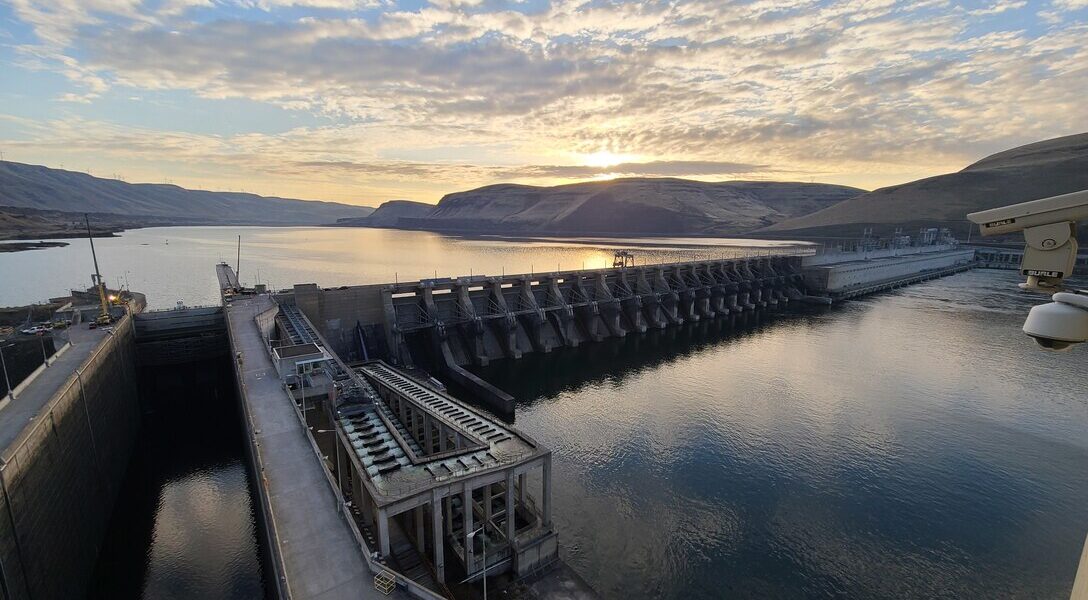
Understanding project costs is one of the earliest and most important steps in hydropower development—but detailed cost estimates require significant time and resource investments that may not be available in early planning stages. To support faster, data-informed decision-making, researchers at Oak Ridge National Laboratory have created an updated Baseline Cost Model (BCM) for hydropower projects.
Building on the original 2015 model, the updated version incorporates newer data and improved cost estimation methods, providing a more complete picture of both upfront construction costs and ongoing operation and maintenance expenses for U.S. hydropower projects.
What’s New
The updated BCM introduces several enhancements that improve both the robustness and interpretability of cost estimates, including:
- Expanded dataset, incorporating additional information from existing and planned U.S. hydropower projects to better reflect recent development trends
- Revised cost calculations across project types, improving how the model represents relationships between project characteristics and total cost
- Sophisticated operations and maintenance (O&M) modeling specification, providing a clear picture of ongoing project expenses
- Confidence interval calculations, allowing users to estimate upper and lower bounds around expected costs and better understand uncertainty inherent in regression-based models
- Easy-to-use Excel package, providing an accessible platform for estimating aggregated hydropower project costs
Together, these updates enable users to move beyond single-point estimates and evaluate a realistic range of potential upfront and O&M project costs.
Supporting Faster, More Informed Decisions
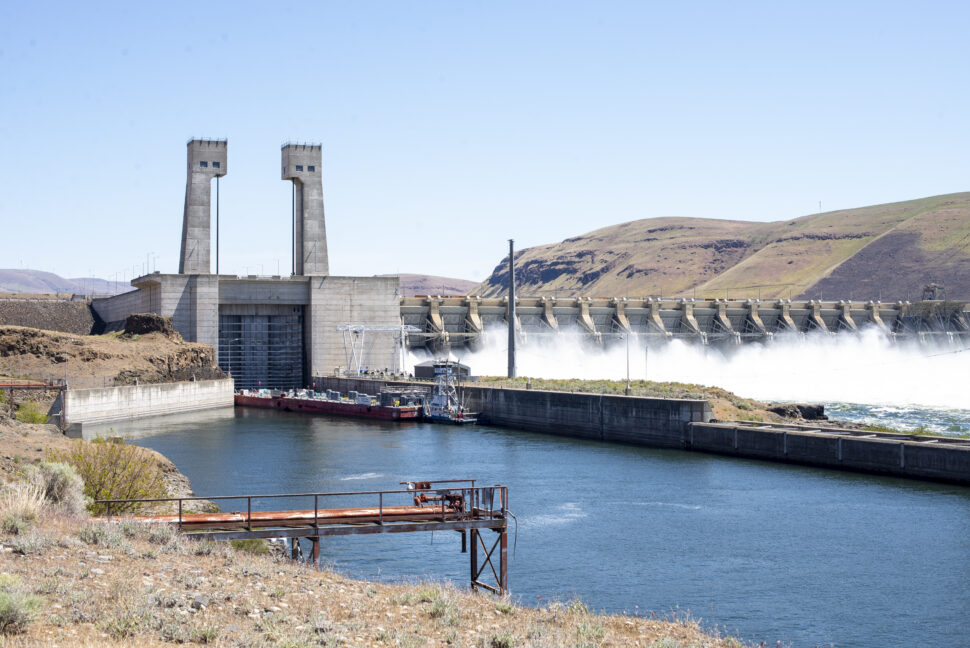
The BCM is designed as a screening-level tool to support early-stage planning and analysis. Using a parametric approach based on data from existing and planned projects, the model provides rapid cost estimates across six categories of hydropower development: non-powered dams, new stream-reach development, canal and conduit projects, pumped storage hydropower, capacity expansion, and generator rewind upgrades.
By providing a quick estimate of the expected range of aggregate project costs, the model helps stakeholders evaluate potential opportunities before committing to more detailed and resource-intensive studies.
Developers can use the model to assess the feasibility of prospective projects, while policymakers may apply it as a point of comparison when reviewing cost information from other sources. Researchers have also incorporated the model into broader energy system analyses, where consistent and scalable cost estimates are needed.